Home Gym Flooring Guide: Mats, Floor Protection and Noise
What to put under a home gym: rubber mats and flooring options for garages, basements and apartments, how thick to go and how to cut noise.
 By Deals & Guides Desk
Updated October 29, 2026
This guide is based on manufacturer specifications, published information and buyer feedback. We do not claim hands-on testing and we do not give medical or personal training advice. Always follow the instructions that come with your own equipment.
Flooring is the part of a home gym people forget until something is scratched or a neighbour complains. A few simple choices make a big difference.
Why flooring matters
- Protects concrete, wood and tile from scratches and cracks
- Keeps equipment from sliding
- Reduces noise and vibration
- Gives a more comfortable surface for floor work
Common options
| Option | Good for | Notes |
|---|---|---|
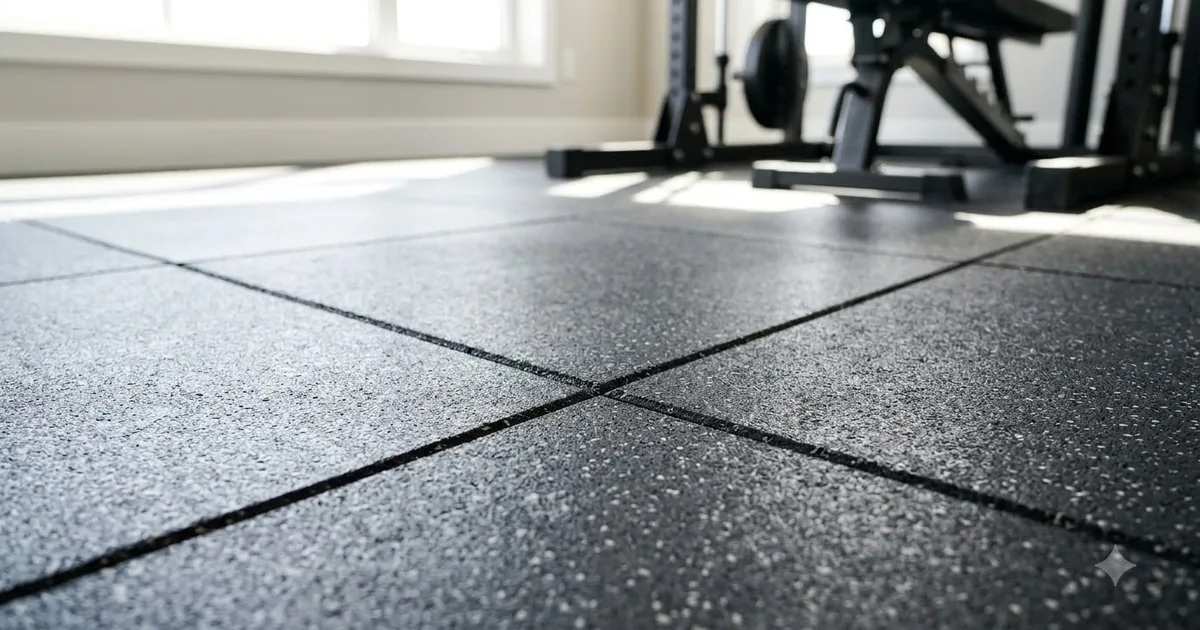
| Rubber rolls or tiles | General home gym use | Many thicknesses; check for odour and edge fit |
| Horse stall mats | Garage or basement under racks | Heavy, durable and popular; cut and handling can be difficult |
| Interlocking foam tiles | Light bodyweight and cardio areas | Not designed for heavy racks or dropped weights |
| Equipment mats | Under treadmills, bikes and rowers | Reduce vibration and protect floors |
Thickness and use
Thicker mats absorb more impact, but thickness is a trade-off with stability for lifting. For heavy racks and barbell work, many people use dense, thicker rubber. For cardio and bodyweight work, thinner mats are often enough. Follow the manufacturer’s guidance for your equipment.
Apartments and noise
If you live above others, avoid dropping weights and consider layered flooring and rubber-coated weights. Check your lease and talk to your landlord about heavy equipment. See how to set up a home gym in an apartment.
How to choose
- List the equipment: rack and barbell, dumbbells, cardio or all three.
- Decide how often weights might be dropped or moved.
- Check the base floor: concrete, wood, tile or carpet.
- Measure the area and add a margin for walking space.
Installation tips
- Unroll rubber mats and let them lie flat for a day or two before cutting and fitting.
- Use a sharp utility knife and a straight edge for cuts.
- Leave a small gap at walls if the maker advises it.
- Clean the floor first and keep it dry to avoid trapped moisture.
Smell and care
New rubber can have a noticeable smell that fades over time with ventilation. Sweep and damp-mop regularly with a mild cleaner, and avoid harsh chemicals that the maker does not recommend.
Frequently asked questions
Do I need flooring for a treadmill?
A mat under the treadmill is common to protect the floor and reduce vibration. Check the maker’s instructions.
Can I put a rack on carpet?
It is usually better to place a rack on a firm, level surface. Check the manual.
Popular buying guides
About the author
The Deals & Guides Desk covers sale events, budget builds, space planning and safety checks, citing manufacturer instructions and official sources such as the CPSC.